

Blog
Understanding the psychological thrills of risk in gambling decisions

Understanding the psychological thrills of risk in gambling decisions
The Nature of Risk in Gambling
The allure of gambling often stems from the intrinsic risk involved. This risk plays a pivotal role in decision-making processes, inviting individuals to engage in activities that may lead to both exhilarating highs and disheartening lows. As players immerse themselves in various games, the uncertainty of outcomes fuels their desire to take chances. For those interested in exploring more about the options available, https://m99casino-australia.co/bonus/ is a great resource. Understanding this psychological component helps clarify why individuals are drawn to the thrill of risk, often seeking to challenge their luck and skill in unpredictable environments.
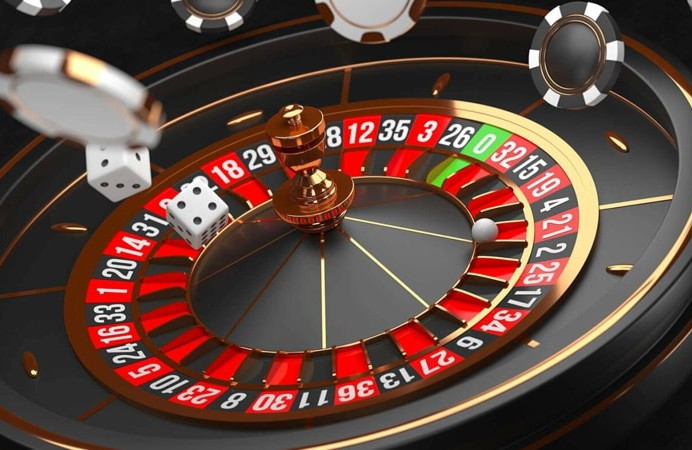
Moreover, risk in gambling isn’t merely about monetary loss or gain; it encompasses a broader spectrum of emotional responses. The anticipation leading up to a bet can release dopamine, a chemical associated with pleasure and reward, which creates a sense of euphoria. This neurochemical reaction reinforces the thrill-seeking behavior and can lead individuals to gamble repeatedly, even when they face significant losses. It reflects a paradox where the potential for loss can be just as exciting as the potential for gain.
Understanding these psychological thrills allows for deeper insight into the behaviors of gamblers. It’s not just the financial stakes at play, but also the psychological investment that influences decisions. Gamblers often rationalize their risk-taking through cognitive biases, further complicating their relationship with gambling. By acknowledging these factors, we gain a clearer view of why risk is such a fundamental aspect of gambling decisions.
The Role of Emotion in Gambling Decisions
Emotions play a significant role in shaping gambling decisions. Many players find themselves swayed by their feelings, from excitement and joy to anxiety and despair. When a player experiences a winning streak, positive emotions can cloud judgment, leading them to take unnecessary risks. Conversely, losses can trigger a sense of desperation, prompting players to chase their losses with even riskier bets. This emotional rollercoaster can lead to irrational behavior, often leaving players trapped in a cycle of highs and lows.
Furthermore, the psychological concept known as “loss aversion” explains why individuals may take greater risks after a setback. The fear of losing can lead players to make impulsive decisions, often ignoring logical reasoning. This emotional turmoil not only affects individual choices but can also impact the broader gambling environment. The highs and lows experienced by players contribute to a social atmosphere that can enhance the thrill of gambling, making it an enticing experience for many.
Ultimately, the interplay of emotion and risk in gambling decisions illustrates the complexity of human behavior. Acknowledging the role that feelings play in decision-making can empower gamblers to make more informed choices. It also highlights the importance of emotional regulation, as managing one’s feelings can lead to more rational gambling habits and improve overall enjoyment of the experience.
Cognitive Biases and Their Impact on Risk-Taking
Cognitive biases significantly influence the gambling decision-making process. These mental shortcuts can distort a gambler’s perception of risk, leading them to make choices based on flawed logic. For instance, the “gambler’s fallacy” causes individuals to believe that past results will affect future outcomes, leading to misguided bets. This bias often drives players to pursue losses, thinking their luck will eventually change, even in purely random games like slots.
Another prevalent cognitive bias is the “illusion of control,” where gamblers mistakenly believe they can influence the outcome of a game. This belief is particularly evident in games like poker, where skill and strategy play a role. However, even in random games, the illusion can lead players to take risks that are not aligned with the actual probabilities of winning. This distorted perception of control can result in increased betting and a more significant emotional investment in the outcome.
Understanding these cognitive biases is crucial for both gamblers and those developing responsible gambling strategies. By recognizing the psychological traps that can lead to riskier behavior, players can adopt more rational approaches to their gambling decisions. This awareness not only enhances personal accountability but also contributes to a healthier gambling environment overall.
The Social Aspects of Gambling and Risk
The social context of gambling adds another layer of complexity to the decision-making process. Many individuals are drawn to gambling due to its communal aspects, such as socializing with friends or meeting new people in a casino setting. This social environment can amplify the excitement and risk involved, as people often feel encouraged to take bolder bets when surrounded by peers. The influence of social dynamics plays a crucial role in how individuals perceive risk and make decisions.
Additionally, the sense of belonging that comes from gambling communities can reinforce risk-taking behavior. Gamblers often share stories of wins and losses, contributing to a narrative that glorifies high-stakes betting. These social exchanges can create an environment where risk is normalized, making individuals more likely to engage in reckless gambling. This phenomenon can particularly affect new players, who may feel pressured to conform to the risk-taking behaviors of more experienced gamblers.
Ultimately, understanding the social dimensions of gambling enhances our comprehension of why risk is so alluring. The communal experience can heighten emotional responses and influence individual decisions, often blurring the lines between rationality and impulse. Recognizing these social factors can lead to better strategies for navigating the gambling landscape responsibly.

M99 Casino and the Online Gambling Experience
M99 Casino exemplifies the engaging nature of online gambling, combining the thrills of risk with the convenience of digital gaming. This platform provides players with a generous welcome bonus and a wide array of games, from slots to table games, catering to different tastes and preferences. The user-friendly interface allows for easy navigation, making it accessible to both newcomers and seasoned players. This combination of factors enhances the overall gambling experience while still highlighting the psychological elements at play.
The site also embraces modern payment options, including cryptocurrencies, which further appeals to a tech-savvy audience. This flexibility in payment methods allows players to engage in their gaming experience more comfortably, aligning with their preferences for security and anonymity. Moreover, M99 Casino frequently offers promotions, encouraging players to explore new games and take calculated risks. This strategy not only enhances user engagement but also keeps the excitement alive.
In summary, M99 Casino represents a blend of thrilling risk and psychological engagement that defines modern online gambling. By providing a safe and exciting environment, the platform enables players to indulge in their risk-taking behaviors while enjoying an immersive gaming experience. Understanding these psychological thrills is essential for anyone looking to navigate the world of gambling responsibly and enjoyably.